|
Healthy Shopping
| If
you have found yourself walking up and down the aisles of
a supermarket and not knowing what is healthy and what is
not, hopefully this guide will provide some information to
make it easier for you. |
|
A
balanced diet is a combination of foods which are:
 |
High
in nutrients |
|
High
in fibre |
|
Low
in salt |
|
Low
in sugar |
|
Low
in fat |
|
Low
in kilojoules |
Ideally
you should:
-
Eat
lots of vegetables, legumes and fruit
-
Eat
plenty of cereals (breads, rice, pasta and noodles),
preferably wholegrain
-
Include
lean meat, fish, poultry and/or alternatives
-
Include
reduced fat dairy products and/or alternatives
-
Drink
plenty of water
|
But
limit:
|
Fibre
|
Keeps
you fuller by slowing down the rate at which you digest
food. It helps to even out blood sugar levels and lowers
cholesterol, which reduces the risk of digestive diseases,
including colon cancer. |
|
Dietary
fibre is divided into soluble and insoluble types. Soluble
fibre (found in fruit, vegetables, legumes and some grain
foods, particularly those based on oats or barley) helps
to lower cholesterol and regulate blood sugar. Insoluble
fibre (found in wheat, rye, rice bran and vegetables)
is less digestible, so helps to keep your bowel movements
regular. |
|
We
should eat at least 30g of fibre a day. |
Salt
|
We
should keep salt intake low to reduce the risk of high
blood pressure, a contributing factor in strokes and heart
disease. |
|
Many
of us tend to eat too much sodium, because it is in a
lot of processed foods. |
|
Aim
to have no more than 6g (2300mg sodium) a day (about one
level teaspoon). |
Fat
|
Fat
is not all bad as it is actually a vital nutrient and
body component that protects your organs, keeps you warm
and helps to transport other nutrients around your body.
However, you should limit your overall intake and eat
the right kinds of fat. |
|
Less
than 30% of your daily energy intake should come from
fats. |
|
Unsaturated
fats (monounsaturated and polyunsaturated) can help to
lower cholesterol. Monounsaturated fats can be found in
olive oil, avocados, canola and peanuts. Omega-3 (in fish,
nuts, seeds and some plants) and omega-6 (in safflower
and sunflower) are polyunsaturated fats. |
| |
Saturated
fats (found in fatty meats, dairy foods and pastries)
increase cholesterol levels and, in turn, the risk of
heart disease and strokes. |
| |
Look
for foods with less than 10g fat per 100g. |
Sugar
|
Sugar
is a carbohydrate that occurs naturally in some foods,
such as dairy and fruit, and is a good source of energy.
But it's also added to may foods, so you need to be careful
about where these extra kilojoules come from. |
|
No
more than 10-15% of your total daily energy intake should
come from sugars. |
|
Look
for foods with less than 10% added sugars. |
For
a balanced diet, aim for at least:
|
One
serve is: |
|
-
150g
or 1 medium piece or 2 small pieces fresh fruit;
or
-
1
cup of canned, chopped fruit; or
-
1½
teaspoons of dried fruit; or
-
125ml
(1/2 cup) juice.
|
|
|
|
|
|
-
1
glass (250ml) of milk; or
-
180ml
(3/4 cup) of calcium-enriched milk; or
-
one
tub (200g) of yoghurt; or
-
2
slices (40g) of cheese.
|
|
-
65-100g
cooked meat or chicken (eg. 1/2 cup mince, 2 small
chops or 2 slices roast meat); or
-
80-120g
cooked fish fillet; or
-
2
small eggs; or
-
2/3
cup cooked legumes (beans, lentils, chick peas,
split peas); or
-
1/3
cup peanuts or almonds.
|
Before
you go shopping, check your fridge, freezer and pantry and
then make a list of what you need.
|
Fridge:
Poly or monounsaturated margarine, eggs, low-fat milk,
no-added sugar yoghurt, light cream cheese, fresh fruit
and vegetables, fresh meat, chicken and fish, fresh herbs,
reduced-fat cheese. |
|
Freezer:
Frozen vegetables, frozen berries or other fruit, low
fat ice cream, wholegrain/wholemeal bread. |
|
Pantry:
Dried herbs and spices, canola or olive oil spray, tomato
paste, reduced salt stocks, vinegar, mustard, fresh garlic,
tomatoes, tuna and soups, dried fruit and nuts, low joule
jam, wholemeal pasta, brown or basmati rice, wholegrain
cereals, wholegrain crispbreads. |
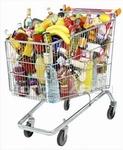
At
the checkout, your trolley should have:
|
About
1/3 breads, grains and cereals, preferably wholemeal or
wholegrain; |
|
About
1/3 fruit and vegetables; and |
|
About
1/3 protein foods, like meat, fish and dairy products. |
City 2 Surf
Good
luck to everyone who is participating in the City to Surf
on August 9th.

Remember
to drink plenty of fluids before, during and after the run.
Proper hydration can not only improve your performance, but
it will minimise the risk of heat exhaustion and hyponatremia
(a dangerous condition caused by a low level of sodium in
the blood).
Nothing contained in this newsletter is intended to be used as medical advice and it is not intended to be used to diagnose, treat, cure or prevent any disease, nor should it be used for therapeutic purposes or as a substitute for your own health professional's advice.
|